
Static graphics still have a place in a strong social feed. So do photographs, links and written posts. The shift businesses need to respond to is that motion has become one of the native languages of social media.
Reels, short-form video and native video now sit prominently across the major platforms. Meta continues to invest heavily in Reels and original video distribution, while LinkedIn has made video a central part of its 2026 B2B marketing guidance. Audiences are becoming used to seeing organisations explain, demonstrate and show more of themselves through video.
For businesses, that creates a clear planning implication: every social media strategy should include a repeatable role for video, even when the production model is deliberately simple.
Social feeds increasingly reward motion and originality
Platform behaviour is moving in the same direction. Meta reported in early 2026 that video time spent on Facebook was growing at a double-digit rate year on year in the US. It has also increased the prominence of original content in recommendations and says views and time spent watching original Reels on Facebook approximately doubled in the second half of 2025 compared with the same period a year earlier.
For businesses, the practical lesson is larger than any single algorithm update. Platforms want content that keeps people engaged and gives them something fresh. Original video is well suited to that environment because it can carry personality, information and context quickly.
LinkedIn is showing a similar strategic emphasis in B2B. Its 2026 marketing guidance describes video as an increasingly important part of how professional conversations happen on the platform. That matters for firms that have historically treated video as a consumer marketing format.
Video communicates things a graphic cannot
A static post can announce a new service. A short video can let the person behind it explain why it matters. A photograph can show an event. A Reel can capture the energy in the room. A written article can demonstrate expertise. A 45-second video can introduce the same thinking to people who may never open the article.
This gives organisations more range. Video can humanise professional services, make technical subjects easier to understand, demonstrate products, document community activity and bring leadership voices into the feed.
It is particularly useful for businesses whose value is rooted in people, expertise or experience because it allows audiences to see and hear those qualities directly.
The production barrier is lower than many businesses assume
A useful social video plan can combine several production levels, from simple smartphone clips to selectively polished campaign work.
- Simple expert-to-camera clips recorded well on a smartphone
- Short behind-the-scenes footage from events, projects or day-to-day activity
- Customer or team stories where appropriate and approved
- Product, service or process demonstrations
- Edited highlights from longer interviews, podcasts or presentations
- Higher-production campaign videos used selectively for major moments
The standard still matters. Good sound, clear framing, useful captions and a strong opening make a significant difference. Consistency matters too. A single Reel every few months is unlikely to build the same familiarity as a simple format the audience begins to recognise.
Original beats generic
The strongest opportunity is content rooted in the organisation itself: its people, perspective, knowledge, customers, events and work. Meta’s current guidance explicitly favours original content and says duplicative or low-value repurposed material can be deprioritised.
That aligns with a wider communications principle. Businesses build recognition when they show something distinctive. A founder explaining a market change, an adviser answering a real client question or a team member showing a process carries more brand value than another generic clip assembled from stock footage.
AI can support scripting, editing, subtitles and repurposing, but the raw material should still feel specific to the organisation.
Plan video from the beginning
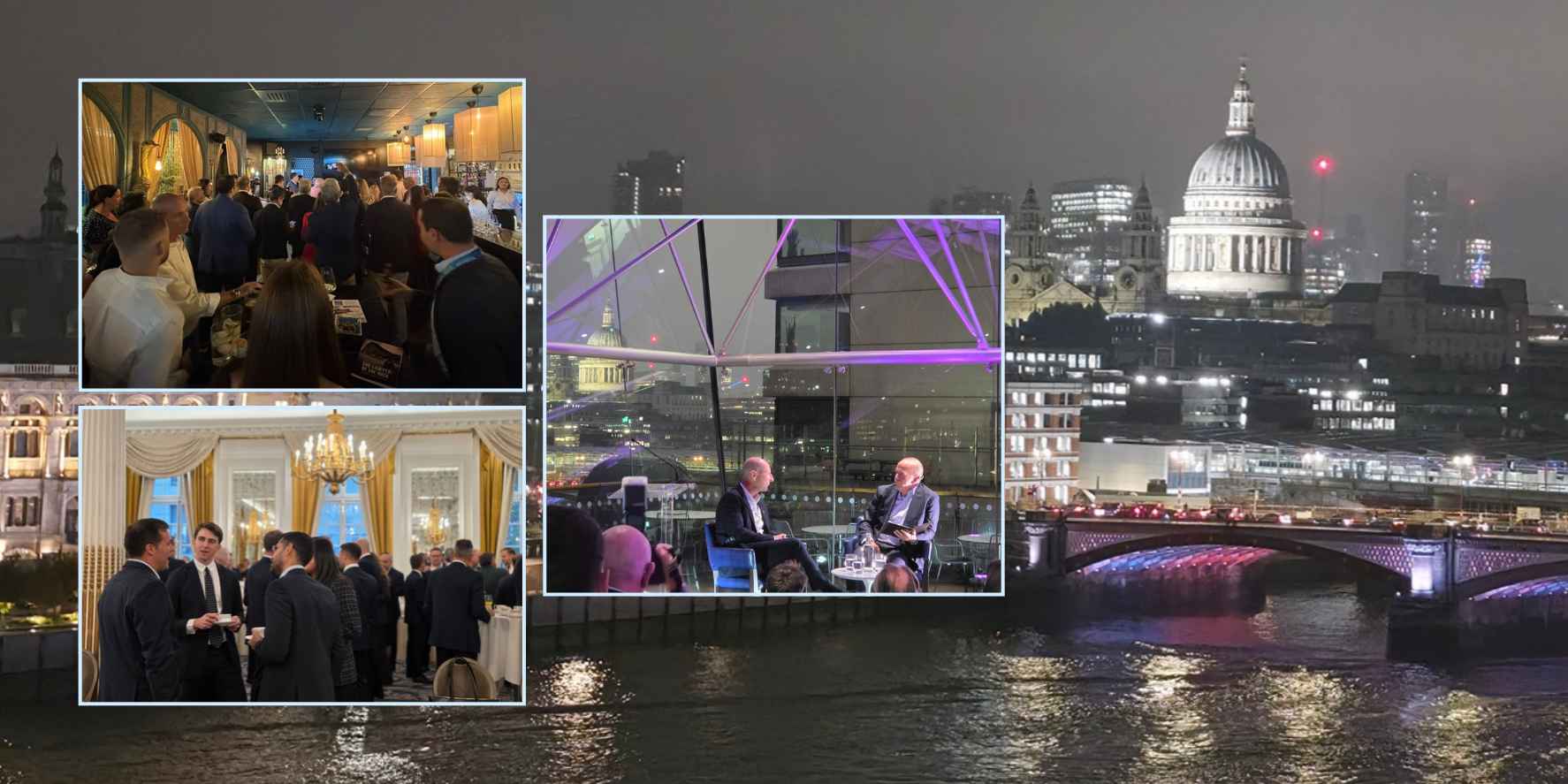
Video works best when it is planned from the beginning. If an organisation is attending an event, decide in advance what footage to capture. If a blog is being written, identify a 30-second point that can become a Reel. If a senior leader is being interviewed, record several short answers that can be used over the following weeks.
This approach also improves efficiency. One strong piece of activity can generate multiple assets: a long-form article, a short video, still images, a quote graphic and social copy. The organisation gets more value from the same idea without simply duplicating the same post across formats.
Measure more than views
Views are useful because they show distribution, although they are only part of the picture. Watch time, completion, shares, saves, profile visits, website traffic and enquiries can reveal whether the content is creating deeper interest.
The right measure depends on the purpose of the video. A brand story may be designed for reach. An expert explainer may be more valuable if it generates saves, shares or a small number of high-quality conversations. A campaign Reel may need to drive traffic or registrations.
The objective should be decided before the camera comes out.
What this means in practice
Every organisation using social media should decide what role video can play within its communications. For some, that may be one strong Reel each week. For others, it may be regular expert clips supported by occasional campaign production. The format should reflect the audience, brand and available resource.
The important shift is to treat video as a planned content format rather than an occasional extra. Social platforms have already made that transition. Businesses need a practical version of it that they can sustain.
Key takeaways
- Video has become a core social format across consumer and professional platforms.
- Original, organisation-specific video creates stronger differentiation than generic repurposed content.
- A useful video plan can combine simple smartphone content with selective higher-production work.
- Planning video alongside blogs, events and campaigns makes content production more efficient.
- The right success measure depends on the job each video is designed to do.
- Consistency and recognisable formats help businesses build familiarity over time.
Make video part of the content system
Motion helps organisations plan, create and coordinate social content around clear business and communication goals. That includes building realistic video formats into the wider content plan and making better use of the expertise, people and activity already inside the organisation.
If your social media remains heavily static, Motion can help identify where video can add the most value and build a practical production approach around it. Contact david@motion-gi.com or +350 54059479.